Beginner’s Guide to Functional Fitness at Forge and Flow Fitness
Functional fitness at Forge and Flow Fitness is about building strength, mobility, and endurance that actually carry over into your everyday life. Instead of training just to look fit, you’re training to move better, feel stronger, and stay injury‑resistant—whether you’re picking up your kids, carrying groceries, or playing your favorite sport.
Below is a beginner‑friendly guide to what functional fitness is, what to expect at Forge and Flow Fitness, and how to get started safely and confidently.
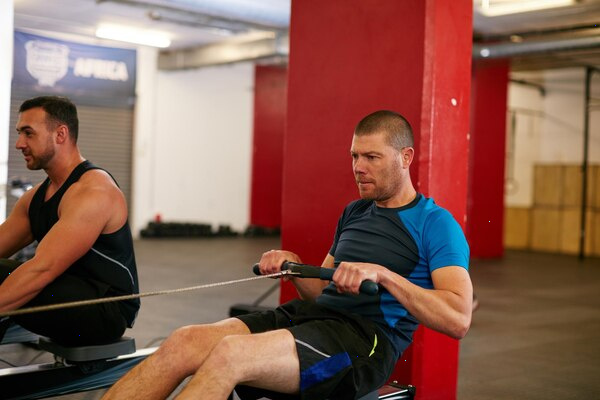
What Is Functional Fitness?
Functional fitness focuses on movements, not just muscles. Rather than isolating one body part (like doing only biceps curls), you perform compound exercises that mimic real‑world actions:
- Squatting down and standing up
- Pushing and pulling
- Lifting and carrying
- Rotating and stabilizing your core
- Walking, running, jumping, or climbing
These patterns help you:
- Improve balance and coordination
- Build usable strength and power
- Increase joint mobility and flexibility
- Reduce the risk of everyday injuries
- Move with more ease and confidence
At Forge and Flow Fitness, these principles are built into every class and training session.
Why “Forge and Flow”?
The name reflects the two sides of functional fitness:
- Forge – You build (forge) strength, resilience, and capacity through structured training.
- Flow – You learn to move smoothly and efficiently, connecting strength with control, breath, and body awareness.
This combination means your workouts are not only challenging, but also teach you how to move better, not just harder.
What to Expect in a Functional Fitness Session
While each coach and class has its own style, a typical beginner‑friendly session at Forge and Flow Fitness will often include:
1. Dynamic Warm‑Up
You’ll start by waking up your joints and muscles with movements such as:
- Leg swings, arm circles, hip circles
- Light bodyweight squats and lunges
- Cat–cow, hip hinges, plank walkouts
The warm‑up is essential for increasing blood flow, preparing your nervous system, and practicing good movement patterns before you add load or intensity.
2. Skill or Technique Work
Before going heavy or fast, you’ll practice the fundamentals of key movements, for example:
- How to hinge properly at the hips for deadlifts
- How to brace your core and protect your lower back
- How to press overhead with stable shoulders
- How to squat to a safe depth with good alignment
Coaches at Forge and Flow Fitness will break down movements into simple cues and provide visual demonstrations and regressions.
3. Strength and/or Power Training
You’ll usually perform 2–4 main exercises that build strength in foundational patterns:
- Squat – front squats, goblet squats, box squats
- Hinge – deadlifts, Romanian deadlifts, hip thrusts
- Push – push‑ups, dumbbell presses, overhead presses
- Pull – rows, band pull‑aparts, assisted pull‑ups
- Core – planks, dead bugs, carries, anti‑rotation holds
Weights and difficulty are scaled to your level. The goal is to train with good form, not to copy the heaviest lifter in the room.
4. Conditioning or “Finisher”
At the end of the session, you may do a short conditioning circuit to raise your heart rate and build stamina. Typical examples:
- Kettlebell swings + rowing machine intervals
- Farmer’s carries + box step‑ups + medicine ball slams
- Short bodyweight circuits (squats, lunges, push‑ups, core work)
These segments are often time‑based, so you work at your own pace while still being part of the group.
5. Cool‑Down and Mobility
Sessions usually end with guided stretching and breathing:
- Hip flexor stretches
- Hamstring and glute stretches
- Shoulder openers and chest stretches
- Deep, slow breathing to activate recovery
This helps you recover faster and maintain the mobility that supports functional movement.
Key Movement Patterns You’ll Learn
To understand functional fitness, it’s helpful to think in patterns rather than body parts. At Forge and Flow Fitness, you’ll see these seven often:
- Squat – Sitting down and standing up; strengthens lower body and core.
- Hinge – Bending at the hips (like picking something up from the floor) with a neutral spine.
- Lunge – Single‑leg movement that builds stability, balance, and leg strength.
- Push – Pushing away from your body (horizontal) or overhead (vertical).
- Pull – Pulling toward your body, such as rows or pull‑ups.
- Carry – Holding and moving with weight, improving core strength and grip.
- Rotate / Resist Rotation – Twisting and anti‑rotation to protect your spine and improve athleticism.
As a beginner, you’ll start with simpler versions and progress over time.
How Forge and Flow Fitness Supports Beginners
Stepping into a new gym can be intimidating, especially if you’re new to functional training. Forge and Flow Fitness is designed to make the learning curve manageable.
Scaled Options for Every Level
Every major movement has regressions (easier options) and progressions (more advanced options). For example:
- Squats to a box or bench if full squats are tough
- Elevated push‑ups instead of floor push‑ups
- Band‑assisted rows or ring rows before pull‑ups
- Lighter kettlebells or dumbbells with less range of motion
You’re never forced into doing something your body isn’t ready for.
Coaching and Feedback
Coaches will:
- Watch your form and give simple, actionable cues
- Help you choose appropriate weights and variations
- Adjust your program if you have pain, injuries, or limitations
- Encourage you to listen to your body and rest as needed
The focus is on safe progress, not perfection.
Supportive Environment
Functional fitness often includes small‑group training, so:
- You train with people of different ages and fitness levels
- Everyone is working hard but at their own pace
- The atmosphere is more “team training” than “everyone alone with headphones”
For many beginners, the community aspect makes it easier to stay consistent.
How to Prepare for Your First Session
A little preparation makes your first visit smoother and more comfortable.
What to Wear
- Comfortable, breathable athletic clothing
- Supportive training shoes (not high‑cushion running shoes if possible)
- Layers you can remove as you warm up
Avoid clothing that restricts movement or needs constant adjusting.
What to Bring
- A water bottle
- A small towel if you tend to sweat a lot
- A hair tie or headband if you have longer hair
You generally won’t need gloves or special gear as a beginner.
Before You Arrive
- Eat a light meal or snack 1–2 hours before training (something with carbs and a bit of protein).
- Hydrate throughout the day; don’t chug a liter right before class.
- If you have injuries or medical conditions, note them so you can share with your coach.
Arrive 10–15 minutes early to meet your coach, ask questions, and get oriented.
A Sample Beginner Workout Structure
Here’s an example of what an early‑stage session could look like for you at Forge and Flow Fitness:
- Warm‑Up (8–10 minutes)
- 2 minutes easy rowing or bike
- 10 bodyweight squats
- 10 glute bridges
- 10 arm circles each direction
- 20‑second plank
Repeat 2–3 times at an easy pace.
- Technique Practice (10–15 minutes)
- Learning the hip hinge with a dowel
- Practicing goblet squats with a light dumbbell or kettlebell
- Coach feedback on posture and breathing
- Strength Training (20 minutes)
Perform 3 sets of 8–10 reps of each:- Goblet squat
- Dumbbell row
- Elevated push‑up
- Dead bug or bird dog for core
- Conditioning (6–10 minutes)
Complete as many quality rounds as you can in the time:- 8 kettlebell deadlifts (light to moderate)
- 8 box step‑ups (each leg)
- 10 medicine ball slams
Rest as needed; move with control.
- Cool‑Down (5–8 minutes)
- Gentle hip flexor stretch
- Hamstring and quad stretches
- Chest and shoulder stretches
- 2–3 minutes of relaxed breathing
Your exact workout at Forge and Flow Fitness will be coach‑designed and adjusted based on how you feel that day.
How Often Should Beginners Train?
For most newcomers, a realistic and effective schedule looks like:
- 2–3 sessions per week of functional fitness
- At least 1 rest or active recovery day between harder sessions
- Light activity (walking, easy cycling, stretching) on non‑training days
This allows your muscles, joints, and nervous system to adapt without overload.
Listening to Your Body
As you begin:
- Expect some muscle soreness, especially in the first couple of weeks.
- Distinguish between soreness (normal) and sharp pain (stop and tell your coach).
- Sleep, nutrition, and hydration matter as much as the workouts themselves.
Progress is rarely linear. Some days you’ll feel strong; others you’ll feel tired. Consistency over weeks and months is what transforms your body and movement.
Common Beginner Concerns
“I’m not fit enough to start.”
Functional fitness is designed to meet you where you are. You get stronger by starting, not by waiting.
“Will I get bulky?”
Most beginner programs at Forge and Flow Fitness build lean muscle, strength, and conditioning. Significant “bulk” requires years of heavy, targeted training and surplus calories.
“What if I have previous injuries?”
Coaches can usually provide alternatives that work around most common issues (back, knees, shoulders). Always be honest about your history so they can adapt movements for you.
“Will I be the slowest one?”
Everyone was a beginner once. Workouts are typically time‑based or individualized by load and reps so you can go at your pace and still fully participate.
Tracking Your Progress
To stay motivated and see your own growth:
- Note the weights you use and how many reps you complete.
- Pay attention to how daily activities feel—carrying bags, climbing stairs, getting up from the floor.
- Observe improvements in posture, energy, and confidence.
- Celebrate small wins: a deeper squat, your first push‑up, or one more rep than last week.
Functional fitness success isn’t just about numbers—it’s about how your body performs in real life.
Getting Started at Forge and Flow Fitness
Your best next steps:
- Book an intro session or consultation.
Use this time to talk about your goals, history, and any concerns.
- Start with a beginner or fundamentals program.
These are designed to teach you the basics in a structured, low‑pressure environment.
- Commit to a short trial period.
Give yourself 4–6 weeks of consistent training before you judge the results. Your body needs time to adapt.
- Ask questions and stay curious.
Functional fitness is a skill. The more you learn about movement, the more effective (and safer) your training becomes.
Functional fitness at Forge and Flow Fitness is an investment in strength, mobility, and confidence you can use every day. You don’t need experience, perfect technique, or a certain body type to begin—only a willingness to show up, learn, and improve step by step.